Circadian Rhythms and Their Effect on Immune System Function Over the Day
The immune system is not as active all day long. Discoveries have shown that circadian rhythms affect resistance to disease and inflammation in immune cells. Knowing this biological timing can enable people to promote immune health. With a proactive approach, people could gain more overall wellness by syncing the day with natural body rhythms.
The Body’s Internal Defense Clock
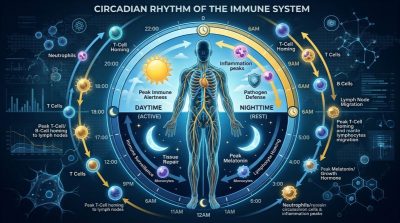 All cells in the body have a biological clock that is light and dark-responsive. The immune cells are told by this timing system what to do. Consequently, there may be differences in immune responses between the day and night.
Body and Brain Signals and Immunity
Hormones change during the morning, as they get ready for the day. These hormonal changes affect the circulation of immune cells in the blood. It assists the body in staying awake against threats it faces in its surroundings throughout the day.
Behind the Scenes at Nighttime Repair
During sleep, multiple processes occur that are restorative to the immune system. In deep sleep, the body releases signaling molecules to coordinate defense mechanisms. This is also the time when tissues can repair from what they may have suffered during the day.
End Notes
Immune system activity is greatly influenced by circadian rhythms. Immune defenses are subject to biological rhythms, from waking up in the morning to repairing them at night. There are natural processes that are supported by maintaining healthy routines. Further studies may show even more ways that immunity can be optimized at a biological time.


