Month: February 2026

Bio-Inspired AI in Transformation of Cybersecurity and Healthcare

Bio-Inspired AI in Transformation of Cybersecurity and Healthcare

Artificial Immune Systems (AIS) are computer systems that are modeled after the capacity of the human immune system to identify, learn and adapt to threats. With the rise in the sophistication of cyberattacks and the increase in the healthcare system, AIS has become an effective tool in both aspects. The development of machine learning and bioinformatics, artificial immune models are leaving the world of theoretical analysis and entering the industry of practical use.

The current knowledge of AIS functionality makes us realize the increased contribution of AIS to cybersecurity, disease detection, and adaptive AI systems.

The Biological Blueprint of AIS Innovation

The human immune system is highly adaptive and is able to differentiate between self and non-self cells and retains past infections. Artificial Immune Systems imitate this mechanism with the help of algorithms that are modeled on the clonal selection, immune memory and negative selection. The bio-inspired processes enable machines to detect anomalies, adapt to new threats and become increasingly accurate in detection as time progresses. AIS is very dynamic unlike traditional rule-based systems and thus it is very useful in an environment where there is always a change in threats.

Application Cybersecurity in Adaptive Threat Detection

The AIS is important in cybersecurity to identify unidentified malware and zero-day attackers. Artificial immune algorithms are used instead of the traditional approach of using known virus signatures to detect unusual system behavior. This anomaly-based detection minimizes its reliance on regular manual updates and enhances its resistance to the new cyber threats. Financial and healthcare organizations are slowly adopting AIS in network security systems to avoid data breach.

Raising the Smart Monitoring of Healthcare

In addition to cybersecurity, AIS is also achieving a great deal in medical diagnostics and bioinformatics. The artificial immune models can help in cancer detection through detection of abnormal cell patterns in big data. They also find use in wearable health monitoring gadgets that are used to measure abnormal physiological indicators in real time. AIS allows predicting the disease early and creating individual approaches to treatment by simulating the immune response processes.

The Future of Artificial Immune Computing
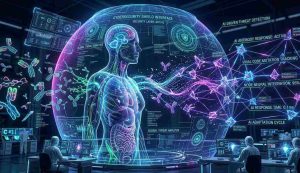
Futuristic visualization of a digital immune system, glowing antibodies transforming into AI neural network nodes, cybersecurity shield interface, blue and green biotech color palette, high-tech medical and cyber theme, ultra-detailed 3D render.

Due to the development of AI, Artificial Immune Systems are increasingly merged with deep learning in order to provide better decision-making. The hybrid models can learn faster and have better predictive accuracy. Researchers are looking at their uses in robotics, fraud detection, and smart infrastructure protection. The future of AIS lies in its adaptation as an element of intelligent adaptive systems globally with constant innovation in the practice.

Conclusion

The Artificial Immune Systems can be considered as a strong crossroads between biology and artificial intelligence. They are necessary in the current digital and healthcare environment due to their adaptability, learning, and anomaly detection skills. With the increasing cybersecurity threats and the increased data orientation of medical technologies, AIS is poised to keep changing its relevance and capability. By 2026 and after, bio-inspired AI will cease to be an experimental concept, it will be baseline.

Supporting Immune Health Through Sound and Mindful Living

Supporting Immune Health Through Sound and Mindful Living

therapeutic crystal bowls are often used as part of relaxation and mindfulness practices that support overall well being. Dorhymi Group approaches wellness from a holistic perspective, recognizing that immune health is closely linked to stress levels, sleep quality, and emotional balance. While sound based practices do not treat illness, they can play a supportive role in creating conditions that help the body function at its best.

The immune system works continuously to protect the body, and its effectiveness is influenced by daily habits. Chronic stress, poor rest, and mental fatigue can place strain on immune responses. Creating space for calm and recovery is an important part of maintaining long term health.

Understanding the Immune System and Lifestyle

The immune system is complex and responsive to both physical and emotional factors. Nutrition, movement, sleep, and stress management all contribute to immune balance.

When stress becomes constant, the body may struggle to recover fully. Relaxation practices help counter this effect by encouraging the nervous system to shift into a more restful state. Balance supports resilience, allowing the body to respond more effectively to everyday challenges.

The Role of Stress in Immune Function

Stress is one of the most significant lifestyle factors affecting immune health. Prolonged stress can disrupt sleep, digestion, and energy levels, all of which are important for immune support.

Sound based relaxation encourages slower breathing and mental stillness. These responses help reduce stress signals in the body. Over time, regular moments of calm may support healthier stress patterns and contribute to overall immune well being.

Sound as a Tool for Nervous System Support

The nervous system and immune system are closely connected. When the nervous system remains in a heightened state, the body may prioritize alertness over recovery.

Listening to sustained tones from crystal bowls can encourage relaxation and focus. This shift allows the body to move toward a state of rest and restoration. Rest is a foundation of immune health, supporting the body’s natural repair processes.

Sleep, Recovery, and Immune Balance

Quality sleep is essential for immune function. During rest, the body carries out processes that support cellular repair and immune response.

Sound practices used in evening routines can help prepare the body for sleep by reducing mental noise and physical tension. Creating a consistent wind down ritual supports better rest, which in turn supports immune resilience.

Emotional Well Being and Immune Resilience

Emotional health plays a meaningful role in physical well being. Anxiety and emotional strain can affect energy levels and immune balance over time.

Mindful sound practices provide space for emotional release and reflection. By encouraging presence and awareness, these practices help individuals manage emotional stress more effectively. Emotional balance supports physical strength, creating a more stable foundation for health.

Creating Sustainable Wellness Habits

Immune health benefits most from consistent, manageable habits rather than short term fixes. Sound based practices are easy to integrate into daily life and require minimal time.

Short, regular sessions can be more impactful than occasional long ones. By making relaxation a daily priority, individuals support not only immune health but overall well being.

Complementing Healthy Immune Practices

Sound wellness does not replace medical care, nutrition, or exercise. Instead, it complements these essential components of immune support.

When combined with balanced eating, physical activity, and adequate rest, sound practices enhance a holistic approach to health. This integrated lifestyle supports both prevention and recovery in everyday life.

A Gentle Path to Immune Support

Supporting the immune system is about creating an environment where the body can function efficiently. Calm, rest, and emotional balance all play important roles in this process.

Dorhymi Group’s approach to sound wellness encourages mindful living and intentional relaxation. Through sound and stillness, individuals can support immune health as part of a broader commitment to long term well being rooted in balance and care.

𐌢