How the Immune System Learns to Recognize Threats
The human immune system is a remarkable defense network that protects the body from bacteria, viruses, fungi, and other potentially harmful substances. Unlike a simple barrier, it is made up of specialized cells, tissues, organs, and chemical signals that work together to identify and respond to threats.
The First Line of Defense
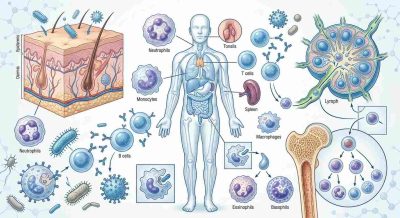 The immune system begins protecting the body before immune cells even become involved. The skin acts as a physical barrier, while mucus in the respiratory and digestive systems can trap particles and microorganisms. Tears and saliva contain substances that can help limit microbial growth.
When a potentially harmful organism gets past these barriers, the body’s innate immune system responds quickly. White blood cells can recognize general patterns associated with invading organisms and begin an inflammatory response.
How Immune Recognition Works
The adaptive immune system provides a more specialized response. B cells can produce antibodies designed to recognize particular molecules, while T cells can identify and respond to infected or abnormal cells.
One important feature of adaptive immunity is memory. After encountering certain foreign substances, specialized immune cells can remain in the body. If the same threat appears again, the immune response may be faster and more targeted.
Vaccination takes advantage of this principle. Vaccines expose the immune system to a safe representation of a pathogen or one of its components, allowing immune memory to develop without requiring the person to experience the full disease.
A Constantly Coordinated System
The immune system is not a single organ that operates independently. The bone marrow produces many immune cells, the thymus helps develop certain T cells, and lymph nodes provide locations where immune cells can communicate and respond.
Healthy immune function also depends on many factors, including adequate nutrition, sleep, physical activity, and management of long-term stress.
Conclusion
The immune system combines physical barriers, rapid innate responses, and highly specific adaptive defenses. Its ability to recognize unfamiliar substances and remember previous encounters makes it one of the body’s most sophisticated biological systems.


